
September 21, 2026
Today I see Jesus very high up, very far, in a peaceful, spacious, eternal space. He is flanked on both sides by very large numbers of saints and holy ones, more than I usually can see. However, they are always there. In a way, Jesus is remote; he is showing me the eternity and peace that lies beyond our day-to-day struggles, decisions, and upsets.
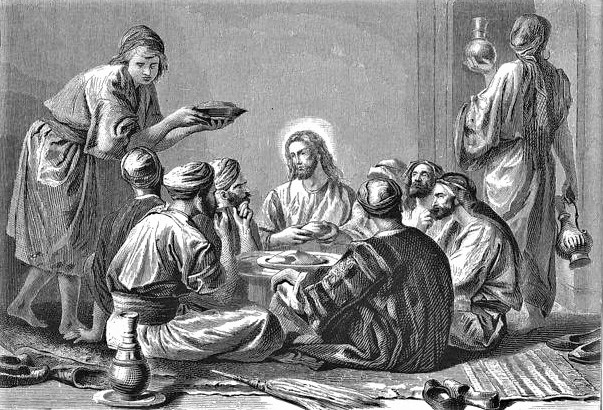
In today’s Gospel reading (Matthew 9:9-13), Jesus is criticized for eating meals with “sinners and tax collectors,” who were regarded as the lowest, least desirable members of society. But he reminds his critics of the ancient teaching that “God desires mercy, not sacrifice.” In Jesus’ time, “sacrifice” referred to the Jewish laws requiring the sacrifice of specific animals or birds for certain religious obligations. Over the centuries, strict adherence to the myriad laws of Judaism had taken over religious practice. Yet even seven centuries before Jesus, the Old Testament prophet Hosea wrote that God told him, “I desire mercy, not sacrifice, and acknowledgment of God rather than burnt offerings” (Hosea 6:6). Jesus did not shy away from dining with outcasts because he cared about them. He loved them; his love was greater than judgement. His love opened up communication with them to lead them on their spiritual path.
The very nature of God is mercy. Just as we wish for God to be merciful and forgive us for things we may have done, the same is expected of us – to be merciful towards others. Mercy is a component of justice and peace. Cruelty is anathema to God. Jesus taught acceptance, solidarity, and kindness. How relevant this is to our own times.
 Contemplative Prayer Journal