November 23, 2026
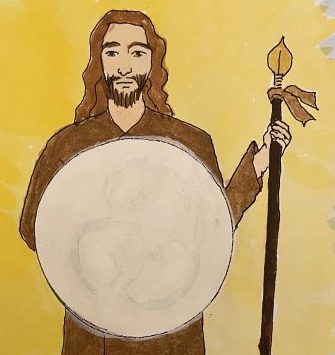
Yesterday at Mass, after Communion in prayer I saw Jesus’ face up close, very large. He was showing me his humanity, his humanness. Then he was showing me the 2,000 years that have passed since he was walking the earth, and the dozens of generations of human beings who have lived since then, one after another. In God’s time, in the history of the earth, 2,000 years is a blink of an eye. From the perspective of human evolution, it is also a very short time. Yet for us it seems like a long time.
Jesus was saying that throughout these many generations, human beings have been healthy and babies have been born well formed for the most part. There have always been diseases and even plagues; human life is full of many challenges and it will always be. Yet the human body and mind are beautifully and elegantly designed, unique among creation.
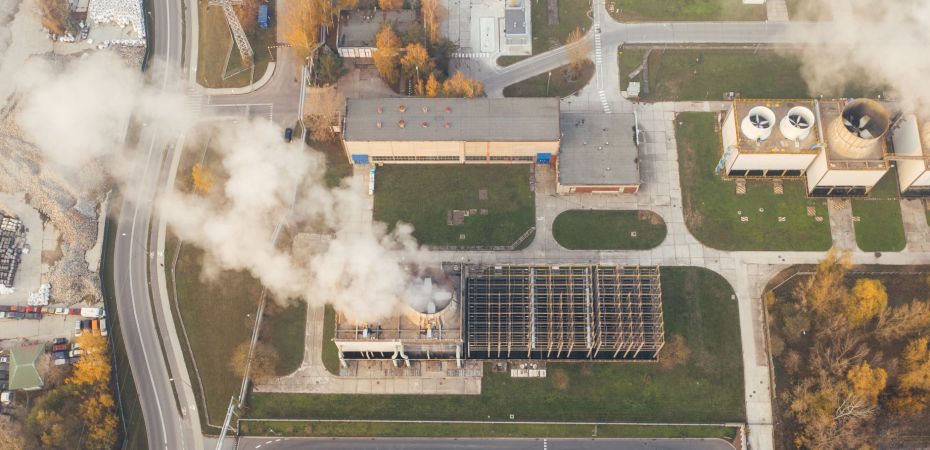
However, now some human beings are pushing the limits of artificial intelligence. Why? For some, it is out of a desire to make ever more money and gain ever more power. For others, a desire to control all circumstances affecting them, yet human beings will never be able to fully control everything. And for others, simple curiosity. They want to see how far they can go, simply because it seems possible, regardless of the consequences for humanity as a whole – consequences that include out-of-control AI, extreme pollution, loss of human life.
There are analogies with the development of the atomic bomb, which happened because of scientific curiosity and then turned into something dangerous. This relentless pursuit of curiosity has some aspects in common with the story of when Eve and then Adam ate from the tree of knowledge of good and evil, and unleashed endless misery on the world. Is it worth more money, power, control or knowledge to create so much pollution and risk? Just the required data centers alone could pollute the world so much that babies are not born healthy anymore. The human DNA could lose the ability to predictably replicate and reproduce itself, and this disruption of the elegance of the human design would be heartbreaking. Would this loss of humanity’s health and wholesomeness for future generations be worth a few people now – mainly men – satisfying their thirst for ever more money, power, and control? Does the world not already have sufficient digital media, television, movie streaming, social media, news sources, and internet answers to questions to keep us occupied for decades to come? To be sure, AI can be used for medical research, designing buildings to be climate smart, solving the carbon problem, and so on. But there must be limits.
In this prayer, Jesus was encouraging us not only to be aware of the risks of AI and data centers pollution, but also to preserve the analog ways for future generations. We are not powerless in the face of this AI risk. Older people can teach younger people the old ways, the skills that are in danger of being lost. Each person can try to operate as much as possible in the analog realm. This is healthier for you and for the planet, and in case of an AI meltdown, these are the skills to fall back on – how to grow a garden, cook over a fire, build a stone oven to bake bread, make bread without store-bought yeast, preserve records on paper, knit and stitch clothing, and so on. Think of the analog skills already lost – how the engineers built the pyramids of Egypt or the Roman arches and aquaducts to be so sturdy. Try to live mainly in an analog world for your health and the health of others. Prioritize humanity. That is all.

