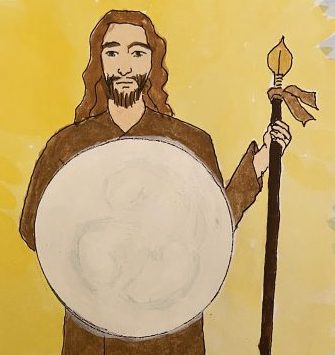
As we approach Easter, in our Gospel readings Jesus comes face to face with betrayal in the form of his disciple Judas, who is plotting to turn Jesus in to the authorities. What would most human beings do in this situation? The human reaction is to try to stop Judas, call him out in front of his peers, detain him, or denounce him. But Jesus does none of those.
Confronted with evil, Jesus holds steady. He has the big view. He has said his time is drawing near and so he does not stop Judas, but says “do what you need to do.” One Gospel says at that moment Satan entered Judas. Satan, who Jesus had rebuffed after his forty days in the wilderness. Satan, whose demons Jesus had been driving out for years. Here Jesus just lets Judas know he notices, he sees him. That’s it.
There is evil in the world, yet evil is its own demise. In the end, Judas’ life ends in despair and suicide. In our time, we read of wealthy powerful men torturing and abusing young children. Could anything be more abhorrent and evil than this? It is evil personified. Some children were even murdered, far from home and parents. We must seek justice and accountability, and we rightly try to stop these perpetrators, yet we must also know that evil eventually destroys itself.
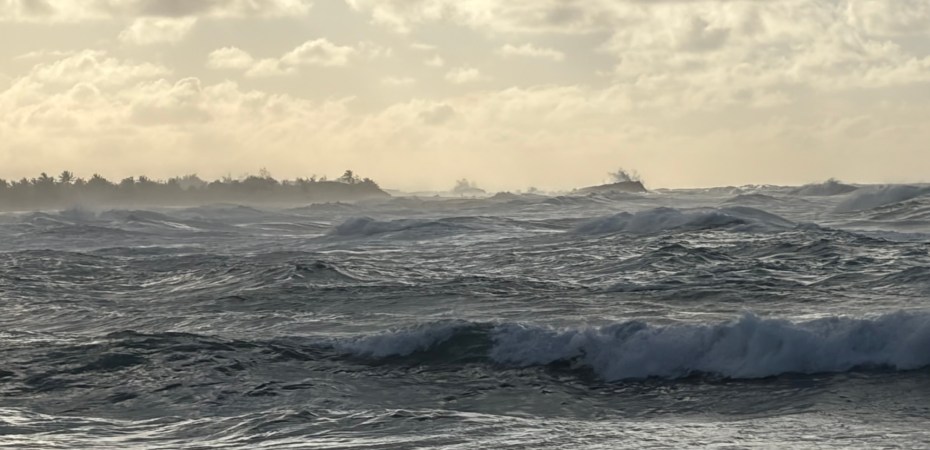
Spirit can be like the ocean. The water can be still and beautiful, flowing everywhere and gently lapping. At other times the raw power of enormous crashing waves can destroy boats and houses. The waves can kill.
Jesus simply rests in Spirit and does not retaliate. What does this mean in our own lives if we have ever felt betrayed? We can meditate on how Jesus faced this, which contradicts our human instincts. To us, it’s a mystery worth contemplating.
 Contemplative Prayer Journal